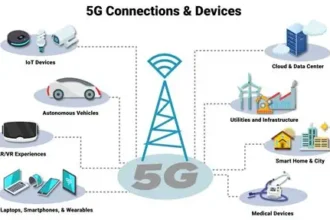
A few years ago, the idea of talking to your home and having it respond sounded like something from a science fiction movie. Lights turning on by themselves, doors locking automatically at night, cameras sending alerts directly to your phone, and coffee brewing before you even step into the kitchen felt futuristic and distant.
Today, all of this is real — and surprisingly affordable.
(You will be redirected to another page)
Smart home technology has quietly moved from luxury mansions into everyday apartments and family houses. What once required complex installations and expensive equipment can now be set up in minutes using nothing more than a smartphone and a Wi-Fi connection.
More than just a trend, smart homes are changing the way people live, save money, protect their families, and interact with their living spaces. If you’ve ever wondered whether this technology is really worth it or how to get started, this guide will walk you through everything you need to know in a clear and practical way.
What Exactly Is a Smart Home?
A smart home is simply a house where devices are connected to the internet and can be controlled remotely or automated to work without manual effort.
Instead of physically flipping switches or adjusting knobs, you can manage your home through apps or voice commands. Lights, plugs, thermostats, cameras, and even kitchen appliances can communicate with each other and follow routines based on your habits.
For example, your home can automatically:
-
Turn off all lights when you leave
-
Lower the temperature at bedtime
-
Lock doors at night
-
Alert you if someone approaches your front door
-
Start appliances at specific times
In other words, your home becomes more intelligent and responsive to your lifestyle.
It’s not just about convenience — it’s about creating an environment that works for you instead of you working for it.
(You will be redirected to another page)
Why Smart Home Technology Is Growing So Fast
The rapid growth of smart homes isn’t accidental. Several factors have made this technology accessible to millions of people around the world.
First, devices are cheaper than ever. Products that once cost hundreds of dollars are now available for the price of a dinner out. Smart bulbs, plugs, and speakers are incredibly affordable, allowing anyone to start small.
Second, installation has become extremely simple. Most devices are “plug and play.” You don’t need technical knowledge or professional help. If you can install an app, you can set up a smart device.
Finally, smartphones have made everything easier. Since people already use their phones all day, controlling their home from the same device feels natural.
Because of these changes, smart homes are no longer a luxury — they are becoming the new standard.
The Real Benefits of Turning Your House Into a Smart Home
Many people think smart homes are just fancy gadgets. However, the real value goes far beyond aesthetics or novelty. These technologies offer practical improvements that make everyday life smoother and safer.
Convenience That Saves Time Every Day
Think about how many small tasks you repeat daily: turning lights on and off, adjusting the temperature, checking if doors are locked, or walking around the house before sleeping to make sure everything is safe.
Automation removes these small but constant efforts.
Imagine arriving home after work and your lights automatically turn on, your air conditioner adjusts to your favorite temperature, and relaxing music starts playing softly. Or picture lying in bed and turning everything off with a single voice command instead of getting up.
These little comforts add up and save valuable time and energy every single day.
Lower Energy Bills and Less Waste
One of the most underrated advantages of smart homes is energy efficiency.
Many people waste electricity without realizing it. Lights stay on in empty rooms. Devices remain plugged in all day. Air conditioning runs longer than necessary.
Smart devices solve these problems automatically.
Sensors can detect when no one is present and switch lights off. Thermostats learn your routine and adjust temperatures intelligently. Smart plugs cut power to appliances that aren’t being used.
Over time, these small optimizations significantly reduce electricity bills. For many households, the savings alone justify the investment.
(You will be redirected to another page)
Better Security and Peace of Mind
Security is often the main reason families adopt smart home technology.
Modern smart cameras and sensors allow you to monitor your house from anywhere in the world. Whether you’re at work or traveling, you can check live footage, receive alerts, and even speak to visitors through your phone.
If someone tries to enter your home unexpectedly, you’ll know immediately.
Smart locks also eliminate the worry of lost keys. You can lock or unlock doors remotely and even give temporary access to guests or delivery workers.
This level of control provides something incredibly valuable: peace of mind. Knowing your home is protected 24/7 reduces stress and helps you feel safer.
Devices Worth Buying First
If you’re new to smart homes, you don’t need to buy everything at once. Starting small is the smartest approach.
A voice assistant like Amazon Alexa or Google Nest is usually the best first purchase because it acts as the control center. From there, adding smart bulbs and plugs is easy and inexpensive.
Lights allow instant automation, while plugs can transform ordinary appliances into smart ones. Later, you can expand with cameras, sensors, or thermostats depending on your needs.
Building gradually keeps costs low and helps you learn what truly improves your routine.
Are Smart Homes Safe and Reliable?
It’s normal to worry about privacy or complexity. After all, connecting devices to the internet raises questions about security.
The good news is that most reputable brands use strong encryption and safety measures. By creating strong passwords, enabling two-factor authentication, and keeping software updated, risks remain very low.
As for difficulty, modern systems are designed for beginners. Setup usually takes only a few minutes, and apps guide you step by step.
In reality, using smart devices is often easier than traditional methods.
The Future of Smart Living
Smart homes are just getting started. Technology continues evolving rapidly, and the next few years will bring even more impressive innovations.
Artificial intelligence will allow homes to predict habits automatically. Appliances may reorder groceries when supplies run low. Energy systems could optimize consumption without any human input. Robots and automation tools will handle more household tasks.
Homes will not only respond to commands — they will anticipate needs.
The concept of “intelligent living” will become part of everyday life for most families.
Final Thoughts
Smart home technology isn’t about showing off gadgets or following trends. It’s about improving quality of life in simple and practical ways.
Saving time. Saving money. Feeling safer. Living more comfortably.
These benefits are available today, not in some distant future.
And the best part is that anyone can start, even with a small budget.
One device is enough to notice the difference.
Once you experience the convenience of a smart home, going back to a traditional house feels surprisingly outdated.
The question is no longer whether smart homes are worth it — it’s how soon you want to begin
 Keep an eye on this