If you’ve been researching how to start or grow a career in technology, you’ve probably noticed something confusing: there are hundreds of certifications available. CompTIA, AWS, Google, Microsoft, Cisco, PMI, and many other organizations offer dozens of different certificates, each promising better jobs, higher salaries, and more opportunities.
But here’s the big question most beginners ask: which certifications actually matter?
(You will be redirected to another page)
Not all certificates carry the same weight in the job market. Some are highly respected by recruiters and companies, while others add very little value to your resume. Choosing the right ones can save you time, money, and frustration, while choosing the wrong ones can delay your progress.
In this complete guide, you will understand what tech certifications really are, when they are worth it, and which certificates matter most for IT support, cloud computing, cybersecurity, and data careers. By the end, you’ll have a clear roadmap to invest your effort wisely and build credentials that truly help you get hired.
What Are Tech Certifications and Why Do They Exist?
Tech certifications are official credentials that prove you have specific knowledge or skills in a particular technology or field. They are usually issued after you pass an exam that tests your understanding of tools, concepts, and best practices.
Unlike college degrees, which often take years to complete, certifications are more focused and practical. They target real-world skills that employers need immediately.
For example, instead of studying general computer science theory, a cloud certification might teach you how to deploy servers, configure storage, and secure applications on platforms like AWS or Azure.
Companies value certifications because they provide standardized proof of competence. When a recruiter sees a recognized certificate, they know you meet a certain technical baseline.
For beginners, certifications can open doors. For experienced professionals, they can help you specialize and increase your salary.
Are Certifications Really Necessary?
This is one of the most common doubts in tech.
The honest answer is: it depends on your career path.
In some areas, like programming or design, portfolios and projects often matter more than certificates. But in other fields, especially IT support, cloud, and cybersecurity, certifications can significantly improve your chances of getting interviews.
Many companies even list specific certifications as requirements in job descriptions. In these cases, not having them may prevent your resume from being considered at all.
Certifications are especially useful if you are self-taught or changing careers. They help prove your knowledge when you don’t yet have professional experience.
Think of certifications as shortcuts to credibility. They don’t replace skills, but they help validate them.
(You will be redirected to another page)
Certifications for IT Support and Help Desk Careers
If you’re starting from zero and want your first job in technology, IT support is often the easiest entry point. This includes roles like help desk technician, technical support analyst, or junior IT administrator.
For this path, CompTIA certifications are widely respected.
CompTIA A+ is considered the gold standard for beginners. It covers hardware, software, operating systems, troubleshooting, and basic networking. Many employers specifically ask for A+ when hiring entry-level technicians.
CompTIA Network+ is the next step. It focuses on networking concepts like routers, switches, IP addresses, and network security. This certificate shows that you understand how systems connect and communicate.
CompTIA Security+ introduces cybersecurity fundamentals and is often required for government or enterprise IT roles.
Together, these certifications create a strong foundation and can quickly qualify you for your first job in tech.
Certifications for Cloud Computing Careers
Cloud computing is one of the fastest-growing and highest-paying areas in technology. Companies are moving their systems to the cloud, creating huge demand for professionals who understand platforms like AWS, Azure, and Google Cloud.
Cloud certifications are extremely valuable because they are practical and vendor-specific.
For beginners, the AWS Certified Cloud Practitioner is a great starting point. It covers basic cloud concepts and services. It’s perfect for understanding how the cloud works without deep technical knowledge.
After that, many professionals pursue AWS Solutions Architect Associate. This certification is highly respected and teaches how to design scalable and secure cloud systems. It’s often enough to land junior cloud or DevOps roles.
Microsoft Azure Fundamentals and Azure Administrator are excellent options if you prefer the Microsoft ecosystem.
Google Cloud also offers entry-level and professional certifications that are recognized worldwide.
In cloud careers, certifications often directly impact salary because companies want certified professionals to manage their infrastructure safely.
Certifications for Cybersecurity Careers
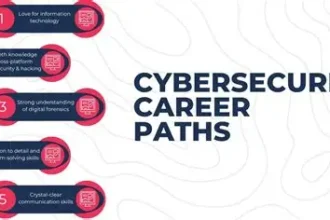
Cybersecurity is another high-demand field with strong salaries and global opportunities. However, it requires specialized knowledge, which makes certifications even more important.
Security+ is usually the first step. It provides foundational knowledge of threats, vulnerabilities, encryption, and risk management.
After gaining experience, many professionals pursue Certified Ethical Hacker (CEH). This certification focuses on penetration testing and learning how hackers think. It’s useful for offensive security roles.
For more advanced professionals, CISSP (Certified Information Systems Security Professional) is one of the most respected cybersecurity certifications in the world. It’s often required for senior or leadership positions, but it demands several years of experience.
In cybersecurity, certifications are often mandatory, not optional. Many companies and government agencies require them for compliance reasons.
(You will be redirected to another page)
Certifications for Data and Analytics Careers
Data careers are growing rapidly, including roles like data analyst, business intelligence specialist, and data engineer.
While portfolios and projects are crucial here, certifications can still add value.
Google Data Analytics Certificate is popular for beginners and covers spreadsheets, SQL, and visualization tools. It’s very practical and beginner-friendly.
Microsoft Power BI certifications help prove your ability to create dashboards and reports, which many companies use daily.
For more technical roles, certifications in SQL, Python, or cloud data platforms like AWS or Azure data services are beneficial.
In data careers, showing real projects often matters more than certificates, but having both gives you a strong advantage.
How to Choose the Right Certification
With so many options available, it’s easy to feel overwhelmed. The key is to choose strategically.
First, define your career goal. Do you want IT support, cloud, cybersecurity, or data? Each path requires different skills.
Second, check job descriptions for roles you want. Notice which certifications appear frequently. Those are the ones that matter most.
Third, start small. Begin with entry-level certificates and build experience before jumping into advanced ones.
Avoid collecting random certifications without direction. Focus beats quantity every time.
Common Mistakes to Avoid
Many beginners make the mistake of chasing certificates without practicing real skills. Passing exams without hands-on experience doesn’t help much in interviews.
Another mistake is spending too much money too early. Some certifications are expensive. Make sure they align with your goals before investing.
Also, don’t rely only on certifications. Combine them with projects, labs, and practical learning.
Certifications open doors, but skills get you hired.
Final Thoughts
Tech certifications can be powerful tools when used correctly. They help you prove your knowledge, gain credibility, and stand out in competitive job markets.
Whether you’re starting in IT support, moving into cloud computing, exploring cybersecurity, or entering the world of data, the right certificates can accelerate your journey and increase your earning potential.
But remember, certifications are not magic solutions. They work best when combined with real practice, projects, and continuous learning.
Choose your path, focus on the certificates that truly matter, and build skills alongside them. With consistency and strategy, your certifications can become stepping stones to a successful and rewarding career in technology.
 Keep an eye on this