Technology has changed the way we live, work, and communicate. Almost every company today depends on digital tools, software, data, and the internet to operate efficiently. Because of this transformation, the job market is no longer limited to traditional roles. Instead, businesses are constantly searching for people who understand technology and can help them grow, automate processes, and stay competitive. This shift has created a huge opportunity for anyone willing to learn the right tech skills.
(You will be redirected to another page)
The good news is that you do not need a university degree or years of experience to enter the tech world. Many of the most valuable digital skills can be learned online through courses, practice, and real projects. In fact, thousands of professionals have increased their salaries or completely changed careers simply by learning a few high-demand technical abilities. If you are wondering which skills are truly worth your time and effort, this guide will walk you through the most in-demand tech skills that can boost your income and open new job opportunities.
Why Learning Tech Skills Is a Smart Career Move
Before diving into specific skills, it is important to understand why technology knowledge is so powerful in today’s job market. First, tech skills are needed in almost every industry, not just in tech companies. Banks, hospitals, schools, stores, factories, and small businesses all rely on digital systems. This means you are not limited to one type of employer.
Second, many tech roles offer higher salaries compared to traditional jobs because companies value efficiency, automation, and innovation. Someone who can save a company time or money with technology becomes extremely valuable. Third, many positions allow remote work or freelance opportunities, giving you more freedom and flexibility.
Finally, digital skills tend to age well. Once you understand core concepts like problem-solving, logic, and systems thinking, learning new tools becomes much easier. This makes your career more future-proof.
Programming and Software Development
Programming remains one of the most powerful and versatile skills you can learn. Developers create websites, mobile apps, systems, and software that people use every day. Almost every digital product is built by someone who knows how to code.
Languages like HTML, CSS, and JavaScript are essential for web development. Python is popular for automation, data analysis, and artificial intelligence. Java, C#, and other languages are widely used in enterprise systems and mobile apps. Learning programming teaches you how to think logically and solve problems step by step, which is valuable even outside development roles.
Developers are consistently among the highest-paid professionals in tech. Even junior positions often offer competitive salaries, and experienced programmers can work remotely or freelance for clients worldwide.
(You will be redirected to another page)
Data Analysis and Data Science
We live in the age of data. Companies collect massive amounts of information about customers, sales, and operations. However, data alone is useless without someone who knows how to analyze and interpret it. This is where data analysts and data scientists come in.
Learning tools like Excel, SQL, Power BI, Tableau, and Python for data analysis allows you to transform numbers into insights. Businesses use these insights to make better decisions, reduce costs, and increase profits. Because of this direct impact on results, data professionals are highly valued.
This field is especially attractive for people who enjoy working with numbers, patterns, and problem-solving but may not want to focus heavily on programming. It also offers strong salaries and opportunities in many industries.
Digital Marketing and Online Growth
Every business wants customers, and today most customers are online. Digital marketing skills help companies attract, engage, and convert people through the internet. This area includes social media management, paid advertising, search engine optimization (SEO), email marketing, and content creation.
Learning how to run ads on platforms like Google or social networks, optimize websites for search engines, and write persuasive copy can quickly make you valuable to businesses. Many small companies cannot afford large marketing agencies, so they hire freelancers or specialists instead.
Digital marketing is one of the easiest tech fields to start because you can practice with your own projects, blogs, or social media pages. It also offers freelance and remote opportunities, making it perfect for beginners who want flexibility.
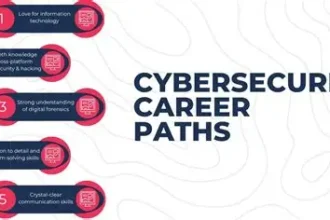
Cybersecurity and Information Security
As technology grows, so do online threats. Hackers, scams, and data leaks are becoming more common. This has created a huge demand for cybersecurity professionals who can protect systems and sensitive information.
Cybersecurity skills include understanding networks, identifying vulnerabilities, setting up secure systems, and responding to attacks. Certifications and practical labs help you learn how to defend against real threats. Because security is critical for every organization, companies are willing to pay well for qualified professionals.
This field is ideal for people who enjoy problem-solving, investigation, and thinking like an attacker to prevent risks. It also tends to offer strong job stability because security is always necessary.
Cloud Computing and IT Infrastructure
Most modern companies no longer store their data only on local computers. Instead, they use cloud platforms like Amazon Web Services, Microsoft Azure, or Google Cloud. These platforms allow businesses to scale quickly and reduce costs.
Learning cloud computing means understanding how to deploy applications, manage servers, store data, and maintain systems online. Cloud engineers and administrators are in high demand because many organizations are still migrating to cloud environments.
If you enjoy working behind the scenes with systems and infrastructure rather than front-end design, this path can be a great option. It often leads to well-paying technical roles.
(You will be redirected to another page)
UX/UI Design and Digital Experience
Technology is not only about code and data. Design plays a huge role in how users interact with apps and websites. UX (user experience) and UI (user interface) designers focus on making digital products intuitive, attractive, and easy to use.
Learning design tools, usability principles, and basic psychology can help you create better experiences. Companies understand that good design increases customer satisfaction and sales, so skilled designers are highly valued.
This area is perfect for creative people who enjoy visual work and problem-solving. You do not need heavy programming knowledge, but understanding how users think is essential.
Automation and Productivity Tools
Another valuable skill set involves automation and workflow optimization. Tools like Zapier, Make, and scripting languages allow you to automate repetitive tasks. For businesses, this means saving time and reducing errors.
Even simple automation skills can make you stand out in almost any job. Being the person who can connect tools and streamline processes often leads to promotions and leadership opportunities.
How to Choose the Right Skill for You
With so many options, it is normal to feel unsure about where to start. The best approach is to consider your interests and strengths. If you enjoy logic and building things, programming might be ideal. If you like numbers, data analysis could be better. If you prefer creativity, design or marketing might suit you more.
Try introductory courses in different areas and see what excites you. The most important factor is consistency. A skill practiced daily will grow much faster than one studied occasionally.
Final Thoughts: Invest in Skills That Pay You Back
Learning tech skills is one of the smartest investments you can make in yourself. Unlike many traditional paths that require years of formal education, digital skills can be learned quickly and applied immediately. A few months of focused study can significantly increase your job opportunities and earning potential.
The world is becoming more digital every day. Companies need people who understand technology and can help them adapt. By choosing one or more of these high-demand skills and committing to learning, you position yourself for better salaries, remote work options, and long-term career growth.
Start small, stay consistent, and keep building. The sooner you begin, the sooner new opportunities will start appearing in your professional life.
 Keep an eye on this