Privacy every time you open an app, browse a website, make an online purchase, or even walk past a store with your smartphone in your pocket, data about you is being collected. Most people don’t realize how much personal information they share daily or how valuable that information has become.
Your name, location, browsing habits, shopping history, interests, and even how long you look at a post on social media can be tracked, stored, analyzed, and sold. In today’s digital economy, your data is currency.
(You will be redirected to another page)
That doesn’t mean technology is bad. Many services use your information to improve convenience and personalization. But without awareness and control, you may expose far more than you intended.
In this complete beginner-friendly guide, you’ll learn what data privacy really means, how companies collect your information, why your data is valuable, and practical steps you can take to protect your personal data and regain control.
What Is Data Privacy?
Data privacy refers to your right to control how your personal information is collected, used, stored, and shared.
Personal data includes obvious details like your name and email, but also less obvious information such as:
Your location
Your search history
Your device information
Your online behavior
Your purchase patterns
Your photos and contacts
Even small pieces of data can be combined to build a detailed profile about you.
Data privacy is about transparency and choice. You should know what is being collected and have the power to decide whether you want to share it.
Unfortunately, many companies collect far more data than users expect.
Why Your Personal Data Is So Valuable
You might wonder why companies care so much about your information.
The answer is simple: data drives profit.
Companies use data to understand your behavior, predict your interests, and influence your decisions. This allows them to show highly targeted advertisements, recommend products, and optimize services.
For example, if you search for running shoes, you may suddenly see shoe ads everywhere. That’s not a coincidence. Your data triggered advertising systems.
Advertisers pay more money to reach specific audiences. The more a company knows about you, the more valuable you become to marketers.
In many cases, you are not the customer. You are the product.
Your data fuels the entire digital advertising economy.
(You will be redirected to another page)
How Companies Collect Your Information
Data collection happens in many ways, often without you noticing.
One of the most common methods is through cookies and tracking technologies. When you visit a website, small files are stored on your device to track your behavior, preferences, and visits.
Apps also collect data. Many mobile apps request access to your location, contacts, microphone, and camera. Some collect more information than necessary.
Social media platforms gather enormous amounts of data. Every like, share, comment, and click helps build a psychological profile of your interests and personality.
Search engines record what you look for, when you search, and which results you click.
Online shopping sites track what you view, what you buy, and even what you add to your cart but don’t purchase.
Even offline activities can be tracked. Loyalty cards, smart devices, and location services connect your real-world behavior to your digital identity.
All these sources combine into detailed data profiles.
Types of Data Companies Commonly Collect
To better understand privacy risks, it helps to know the categories of data typically collected.
Personal identification data includes your name, email, phone number, and address.
Behavioral data includes browsing history, app usage, clicks, and interactions.
Location data tracks where you go and how often you visit certain places.
Financial data includes payment methods, transaction history, and purchases.
Device data includes your IP address, operating system, and hardware information.
Biometric data may include fingerprints or facial recognition.
When combined, these data types create an extremely accurate picture of your life.
The Risks of Poor Data Privacy
Sharing too much information can lead to serious consequences.
Identity theft is one of the biggest risks. Criminals can use stolen data to open bank accounts, apply for loans, or commit fraud in your name.
Phishing attacks become more convincing when scammers know personal details about you.
Data breaches can expose millions of users at once when companies fail to secure their systems.
Excessive tracking can also feel invasive. Knowing that companies monitor every move reduces your sense of freedom and privacy.
There’s also the risk of discrimination. Algorithms may treat people differently based on their data profiles, affecting job offers, prices, or services.
Protecting your privacy isn’t just about secrecy. It’s about safety and fairness.
How to Take Back Control of Your Personal Data
The good news is that you are not powerless. There are many practical steps you can take to protect your information.
Start by limiting what you share. Only provide necessary details when signing up for services. Avoid giving extra information just because it’s requested.
Review app permissions on your smartphone. Disable access to location, microphone, or contacts for apps that don’t truly need them.
Adjust privacy settings on social media platforms. Make profiles private and restrict who can see your posts.
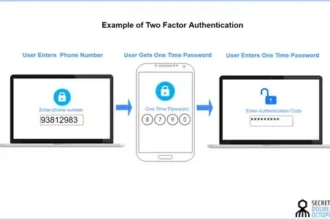
Use strong, unique passwords for every account and enable two-factor authentication.
Install an ad blocker or privacy-focused browser to reduce tracking.
Clear cookies regularly or use private browsing modes.
These small changes significantly reduce data exposure.
(You will be redirected to another page)
Use Privacy-Focused Tools and Services
Technology can also help protect you.
Consider using privacy-focused browsers like Brave or Firefox, which block trackers by default.
Search engines like DuckDuckGo don’t store or track your searches.
VPNs encrypt your internet traffic, preventing others from spying on your activity, especially on public Wi-Fi.
Password managers help create strong passwords and reduce the risk of account compromise.
Encrypted messaging apps protect your conversations from interception.
Using these tools creates multiple layers of defense around your data.
Understand Your Legal Rights
Many countries now have privacy laws that protect users.
Regulations like GDPR in Europe and LGPD in Brazil give people rights over their personal data.
These rights may include:
Knowing what data companies collect
Requesting copies of your data
Asking companies to delete your information
Opting out of marketing communications
Controlling how your data is shared
Check the privacy policies of services you use. You often have more rights than you realize.
If necessary, you can formally request companies to remove your data.
Develop Smart Digital Habits
Privacy protection is also about behavior.
Think before clicking unknown links. Avoid suspicious emails and messages.
Be careful about free apps or services that seem too good to be true. If something is free, your data is often the price.
Avoid oversharing personal details online. Not everything needs to be public.
Regularly review your accounts and remove services you no longer use.
Treat your personal data like money. You wouldn’t hand cash to strangers, so don’t hand out information carelessly.
Final Thoughts
Data privacy isn’t just a technical issue. It’s a personal responsibility.
Companies will continue collecting data because it powers modern digital services. But you don’t have to give up control completely.
By understanding how tracking works and taking simple protective steps, you can significantly reduce risks and protect your digital identity.
The goal isn’t to disappear from the internet. It’s to use technology wisely and safely.
In a world where data is one of the most valuable resources, protecting your personal information is one of the smartest investments you can make.
Start today, adjust your settings, review your habits, and take back control of your digital life.
 Keep an eye on this