Cybersecurity has quickly become one of the most important and fastest-growing fields in the world. Every day, companies, governments, and individuals rely on digital systems to store sensitive data, process payments, and communicate online. At the same time, cyber threats are increasing at an alarming rate. Hackers, data breaches, ransomware attacks, and identity theft are now common headlines.
Because of this, organizations everywhere are desperately looking for professionals who know how to protect their systems.
(You will be redirected to another page)
This creates a huge opportunity.
If you’re looking for a career with strong demand, good salaries, remote work options, and long-term stability, cybersecurity might be one of the smartest paths you can choose.
The best part? You don’t need a computer science degree or years of experience to get started. Many professionals enter the field with self-study, certifications, and practical skills.
In this complete beginner-friendly guide, you’ll learn exactly how to start a career in cybersecurity, including the essential skills you need, the best certifications to pursue, useful tools to learn, and the job opportunities available for newcomers.
What Is Cybersecurity and Why Is It a Great Career Choice?
Cybersecurity is the practice of protecting computers, networks, systems, and data from digital attacks.
These attacks can include:
• Hackers stealing personal information
• Ransomware locking company files
• Malware infecting devices
• Phishing scams stealing passwords
• Data leaks exposing sensitive records
Cybersecurity professionals work to prevent these problems before they happen and respond quickly when incidents occur.
From a career perspective, this field offers several major advantages.
First, demand is extremely high. There are millions of unfilled cybersecurity jobs worldwide because there simply aren’t enough trained professionals.
Second, salaries are above average. Even entry-level roles often pay more than many traditional office jobs.
Third, the field offers flexibility. Many roles allow remote or hybrid work.
Fourth, cybersecurity skills are future-proof. As long as technology exists, security will always be necessary.
If you want a stable and meaningful career that protects people and businesses, cybersecurity is a strong choice.
Do You Need a Degree to Work in Cybersecurity?
One of the biggest myths about cybersecurity is that you must have a university degree in computer science.
While a degree can help, it is not required.
Many hiring managers care more about practical skills, certifications, and hands-on experience than formal education.
In fact, many successful professionals are self-taught or come from completely different backgrounds like customer service, administration, or marketing.
What really matters is your ability to:
• Understand how systems work
• Identify risks and vulnerabilities
• Use security tools
• Solve problems logically
If you can demonstrate these abilities, you can get hired.
(You will be redirected to another page)
Essential Skills Every Beginner Should Learn
Before applying for jobs or certifications, it’s important to build a solid foundation.
Cybersecurity is built on core technical knowledge. Without it, advanced topics become difficult.
Here are the most important beginner skills.
First, learn basic computer networking. Understand how the internet works, what IP addresses are, how routers and firewalls function, and what protocols like HTTP, HTTPS, and TCP/IP mean.
Second, understand operating systems. You should feel comfortable using Windows and Linux. Many security tools run on Linux.
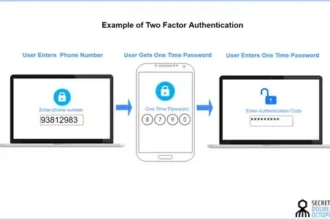
Third, learn basic cybersecurity concepts such as encryption, malware, phishing, firewalls, and authentication.
Fourth, develop problem-solving skills. Security professionals constantly analyze threats and investigate unusual behavior.
Fifth, practice communication. You must explain risks and solutions clearly to non-technical people.
Technical skills get you hired, but communication skills help you grow.
Best Certifications for Beginners
Certifications are one of the fastest ways to enter cybersecurity because they prove your knowledge to employers.
Here are the most recommended ones for beginners.
CompTIA Security+ is often considered the best starting point. It covers fundamentals like threats, networks, cryptography, and risk management. Many companies recognize it worldwide.
Google Cybersecurity Certificate is beginner-friendly and practical. It focuses on real-world tasks and is great for newcomers.
CompTIA Network+ helps you understand networking, which is critical for security roles.
Certified Ethical Hacker (CEH) is useful if you want to focus on penetration testing and ethical hacking.
These certifications don’t just improve your resume. They also guide your learning path and give you structured knowledge.
Starting with Security+ or Google’s certificate is usually a smart move.
Tools You Should Learn Early
Cybersecurity is hands-on. Knowing theory is important, but tools are what you’ll use daily.
Here are some beginner-friendly tools to explore.
Wireshark helps analyze network traffic and detect suspicious activity.
Kali Linux is a security-focused operating system with many testing tools.
Nmap scans networks to find open ports and vulnerabilities.
Metasploit is used for penetration testing and simulating attacks.
Password managers and authentication tools teach you about account security.
You don’t need to master everything at once. Start slow, experiment, and practice in safe environments like virtual machines.
Learning by doing is much more effective than just reading.
How to Gain Experience Without a Job
A common question is: “How do I get experience if no one hires me?”
Fortunately, cybersecurity offers many ways to practice on your own.
You can build a home lab using free virtual machines to simulate networks and attacks.
You can join platforms like TryHackMe or Hack The Box to solve real-world challenges.
You can participate in Capture The Flag competitions that simulate hacking scenarios.
You can volunteer to help small businesses secure their systems.
You can document everything you learn and create a portfolio.
Employers love candidates who show initiative and practical knowledge.
Experience doesn’t have to come from a formal job.
(You will be redirected to another page)
Entry-Level Job Opportunities
Many people think cybersecurity only has advanced roles, but there are several beginner-friendly positions.
Security Analyst monitors systems and detects threats.
SOC Analyst (Security Operations Center) responds to alerts and investigates incidents.
IT Support with security focus helps manage secure systems.
Risk or Compliance Assistant ensures companies follow regulations.
Junior Penetration Tester tests systems for weaknesses.
These roles often require basic knowledge plus certifications, not years of experience.
They’re perfect starting points for growth.
Salary Expectations for Beginners
Cybersecurity salaries vary by country and experience, but they are generally strong.
Entry-level roles often pay higher than typical administrative jobs.
Junior analysts can earn competitive monthly salaries, and experienced professionals can reach very high income levels.
Specializations like ethical hacking, cloud security, and incident response often pay even more.
The combination of demand and skill scarcity keeps salaries attractive.
Step-by-Step Plan to Start Today
If you feel overwhelmed, follow this simple plan.
First, learn networking and basic IT concepts.
Second, study for a beginner certification like Security+.
Third, practice with tools and build a home lab.
Fourth, complete online challenges and projects.
Fifth, update your resume and LinkedIn profile.
Sixth, apply for junior roles and internships.
Consistency matters more than speed. Even studying one hour per day can transform your future within months.
Final Thoughts
Cybersecurity is not just a job. It’s a career with purpose.
You protect people’s identities, companies’ data, and entire systems from harm. Your work makes a real difference.
The field welcomes beginners, offers strong salaries, and provides countless opportunities to grow.
You don’t need to be a genius or have an expensive degree. You just need curiosity, discipline, and a willingness to learn.
Start small. Study a little every day. Practice often. Earn your first certification.
Before you know it, you’ll be working in one of the most exciting and secure careers in technology.
Your journey into cybersecurity can begin today.
 Keep an eye on this