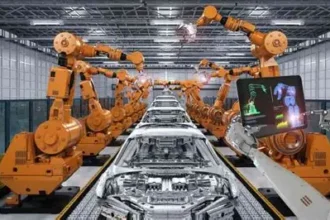
Every company wants the same basic results: better products, lower costs, fewer errors, and happier customers. Whether it’s a factory producing cars, a hospital treating patients, or a software company developing apps, organizations constantly look for ways to work faster and smarter without sacrificing quality.
However, many businesses struggle with hidden problems. Time is wasted waiting for materials. Defective products must be reworked. Teams repeat unnecessary steps. Resources are misused. Small inefficiencies accumulate and create big losses.
This is exactly where quality and lean engineering make a difference.
(You will be redirected to another page)
Quality and lean engineering focus on improving processes, eliminating waste, and delivering better results with fewer resources. Instead of simply working harder, companies learn how to work more intelligently. These methods help reduce costs, increase productivity, and ensure consistent quality.
In this complete beginner-friendly guide, you will understand what quality and lean engineering are, how they work together, the tools companies use, and why these concepts are essential in modern industries.
What Is Quality Engineering?
Quality engineering is the discipline focused on ensuring that products and services consistently meet customer expectations and performance standards.
The goal is simple: do things right the first time.
Instead of waiting until the end of production to check for defects, quality engineering emphasizes prevention. Engineers design processes that reduce mistakes before they happen.
This approach saves time and money. Fixing problems early is much cheaper than correcting them later.
For example, imagine a company manufacturing smartphones. If a defect is discovered after thousands of units are shipped, the company faces returns, repairs, and damage to its reputation. But if quality controls detect the issue during production, it can be fixed immediately.
Quality engineering focuses on creating reliable systems that minimize variation and deliver consistent results.
What Is Lean Engineering?
Lean engineering comes from the concept of “lean manufacturing,” which originated in Japan, especially through Toyota’s production system.
The idea behind lean is eliminating waste.
Waste includes anything that does not add value to the customer. If an activity does not improve the final product, it is considered unnecessary.
Lean engineering helps companies identify and remove these inefficient steps.
Instead of producing more with more resources, lean teaches companies to produce more with less.
The result is faster processes, lower costs, and better performance.
Lean thinking applies not only to factories but also to offices, hospitals, logistics, and software development.
(You will be redirected to another page)
How Quality and Lean Work Together
Although quality engineering and lean engineering have different focuses, they complement each other perfectly.
Quality ensures that products are made correctly and meet standards. Lean ensures that the process of making those products is efficient and waste-free.
Together, they create systems that are both effective and efficient.
Think of it this way: quality makes sure you build the right product, and lean makes sure you build it the right way.
Companies that combine both approaches often outperform their competitors because they deliver better products faster and cheaper.
Understanding Waste in Lean Engineering
One of the key ideas in lean engineering is identifying waste. Engineers typically classify waste into several categories.
Overproduction happens when companies produce more than needed. This leads to excess inventory and storage costs.
Waiting occurs when workers or machines sit idle due to delays or poor scheduling.
Transportation waste involves unnecessary movement of materials or products.
Overprocessing means doing extra work that customers do not value.
Defects require rework or replacement, wasting time and resources.
Motion waste occurs when workers perform unnecessary movements.
Unused talent happens when employee skills are not fully utilized.
By identifying these types of waste, engineers can redesign processes to eliminate them.
Common Tools Used in Quality Engineering
Quality engineering relies on several proven tools and techniques.
One common method is statistical process control. This involves using data and charts to monitor performance and detect problems early.
Another tool is root cause analysis. Instead of just fixing symptoms, engineers investigate the real cause of problems to prevent them from happening again.
Checklists and standard operating procedures help ensure consistency. Testing and inspections verify that products meet specifications.
Engineers also use continuous improvement cycles, where processes are regularly reviewed and optimized.
These tools create a culture where quality is everyone’s responsibility.
Popular Lean Tools and Techniques
Lean engineering also uses specific tools to improve efficiency.
One popular technique is value stream mapping. This method helps teams visualize every step of a process and identify unnecessary actions.
The 5S system organizes workspaces to make them cleaner, safer, and more efficient. It focuses on sorting, organizing, cleaning, standardizing, and maintaining discipline.
Kaizen, meaning continuous improvement, encourages small daily improvements rather than large, complex changes.
Just-in-time production reduces inventory by producing only what is needed when it is needed.
Kanban systems use visual signals to control workflow and prevent overload.
These techniques make processes smoother and easier to manage.
Real-World Examples of Quality and Lean in Action
Quality and lean engineering are used in many industries beyond manufacturing.
In automotive factories, lean methods reduce production time while maintaining high quality standards.
In hospitals, lean practices improve patient flow, reduce waiting times, and enhance care quality.
In software companies, teams use similar ideas to eliminate unnecessary steps and deliver features faster.
In logistics, companies optimize routes and reduce delays to save fuel and time.
Even small businesses can apply lean principles to reduce costs and improve customer satisfaction.
The flexibility of these methods makes them useful almost anywhere.
(You will be redirected to another page)
Benefits for Companies and Customers
The benefits of quality and lean engineering are significant.
Companies experience lower costs because they waste fewer materials and resources. Productivity increases because processes are streamlined. Employees work more efficiently and safely. Customers receive better products with fewer defects.
Delivery times become shorter. Profits improve. Customer satisfaction grows.
In competitive markets, these advantages can determine whether a company succeeds or fails.
That is why many organizations invest heavily in training their teams in quality and lean practices.
Skills Needed to Work in Quality and Lean Engineering
To succeed in this field, you need strong analytical skills. You must be able to study processes, identify problems, and find practical solutions.
Attention to detail is important because small issues can cause big problems.
Communication skills are also essential since improvements often involve multiple departments.
You should feel comfortable working with data, charts, and performance metrics.
A mindset focused on continuous improvement and problem-solving is critical.
People who enjoy optimizing systems and making things run better often thrive in this career.
How to Start a Career in Quality and Lean Engineering
A degree in industrial, manufacturing, or production engineering is a common starting point. However, many professionals enter this field from other engineering backgrounds as well.
Learning about quality management systems, process improvement, and lean methodologies is important.
Certifications in lean or quality management can strengthen your resume.
Gaining hands-on experience through internships or real projects helps you understand practical challenges.
Because every company needs efficiency, career opportunities in this area are widely available across many industries.
Final Thoughts
Quality and lean engineering may not always be as visible as robotics or advanced machines, but their impact is just as powerful. By improving processes and eliminating waste, these methods help companies deliver better results with fewer resources.
They create smarter operations, happier customers, and more sustainable businesses.
In a world where competition is increasing and efficiency matters more than ever, quality and lean engineering provide the tools needed to stay ahead.
If you enjoy solving problems, analyzing systems, and helping organizations work better every day, this field can offer a rewarding and impactful career. Sometimes, the biggest improvements don’t come from new technology, but from simply doing things in a better, smarter way — and that’s exactly what quality and lean engineering are all about.
 Keep an eye on this