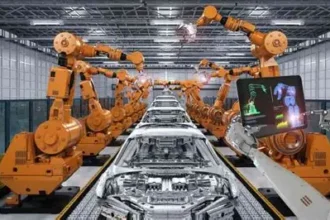
Modern engineering projects are no longer simple. In the past, building a machine or structure often meant designing a few mechanical parts and assembling them together. Today, however, products and infrastructures are far more complex. A single airplane contains thousands of components, advanced software, electrical systems, sensors, and communication networks. Smart cities rely on transportation systems, energy grids, data centers, and digital platforms working together. Even a modern car is essentially a computer on wheels.
Managing this level of complexity requires more than traditional engineering skills. It requires coordination, integration, planning, and a big-picture mindset. This is exactly where systems engineering becomes essential.
(You will be redirected to another page)
Systems technology is the discipline that helps teams design, organize, and manage complex projects efficiently. Instead of focusing on just one part, systems technology look at the entire system, ensuring that every component works together correctly, safely, and cost-effectively. In this complete guide, you will understand what systems technology is, how it works, what systems engineers actually do, and why this career path is becoming increasingly important in today’s world.
What Is Systems Engineering?
Systems engineering is an interdisciplinary approach that focuses on designing and managing complex systems throughout their entire life cycle. Rather than concentrating on only one specialty like mechanical, electrical, or software engineering, systems engineering connects all these areas.
Think of it as the “glue” that holds different technology disciplines together.
A system can be anything made of multiple interacting parts. It could be an aircraft, a hospital network, a power plant, a satellite, or even a large software platform. Each of these systems includes hardware, software, people, processes, and environments that must work together smoothly.
Systems engineering ensures that all these elements are properly planned, integrated, tested, and maintained.
Instead of asking “How do we design this component?”, systems engineers ask broader questions such as “How will all components interact?”, “What could fail?”, and “How do we ensure the whole system meets user needs?”
Why Complex Projects Need Systems Engineering
As technology evolves, projects grow more complicated. A small mistake in one area can cause major problems in another.
For example, imagine designing an airplane. Mechanical engineers design the structure, electrical engineers design wiring and sensors, software engineers create control systems, and safety teams define regulations. If these teams work independently without coordination, the final product may have conflicts, delays, or failures.
Systems engineering prevents this chaos.
It creates structure and communication between teams. It ensures requirements are clear from the beginning. It helps avoid costly redesigns later. Most importantly, it reduces risk.
Large projects without proper systems engineering often suffer from budget overruns, delays, or technical failures. That’s why industries like aerospace, defense, energy, healthcare, and transportation heavily rely on systems engineers.
(You will be redirected to another page)
The Core Principles of Systems Engineering
Systems engineering follows several important principles that guide the entire process.
The first principle is thinking holistically. Instead of focusing on individual parts, systems engineers always consider the whole picture. Every decision must benefit the system as a whole, not just one component.
The second principle is requirements-driven design. Projects start by clearly defining what the system must accomplish. These requirements guide all engineering decisions.
Another key principle is early problem detection. It’s much cheaper to find issues during planning than after construction. Systems engineering emphasizes testing and validation early in development.
Finally, collaboration is essential. Systems engineers work closely with multiple teams, ensuring everyone moves in the same direction.
How the Systems Engineering Process Works
Systems engineering usually follows a structured life cycle. Although different companies use different models, the overall process remains similar.
It starts with requirements analysis. During this stage, teams gather information about what the customer or users need. This includes performance, safety, cost, and operational goals.
Next comes system design. Engineers define the architecture of the system and decide how components will interact. They create diagrams, models, and plans to visualize the solution.
After design, integration begins. Individual components are developed and combined into a complete system. Systems engineers ensure everything connects properly.
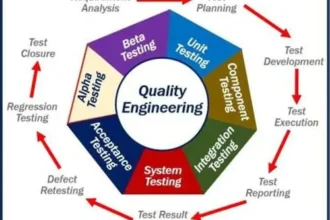
Testing and validation follow. The system is tested to verify that it meets all requirements. Any issues are identified and corrected.
Finally, the system enters operation and maintenance. Even after deployment, systems engineers may monitor performance and plan improvements.
This structured approach helps reduce uncertainty and ensures consistent results.
What Do Systems Engineers Actually Do?
A systems engineer’s daily tasks are diverse and often depend on the industry. However, some responsibilities are common across most roles.
They define system requirements and document specifications. They create models and simulations to predict performance. They coordinate communication between different engineering teams. They analyze risks and propose solutions. They oversee testing and verify that everything works as expected.
Unlike specialized engineers who focus deeply on one area, systems engineers act as connectors and decision-makers. They need both technical knowledge and strong communication skills.
In many ways, they function as technical leaders or project integrators.
Industries That Use Systems Engineering
Systems engineering is used across many industries, not just aerospace or defense.
In transportation, it helps design smart traffic systems and autonomous vehicles. In healthcare, it supports hospital networks and medical devices. In energy, it manages power grids and renewable energy systems. In technology, it coordinates large-scale software platforms and cloud infrastructure.
Even consumer products like smartphones require systems engineering to integrate hardware, operating systems, and applications.
Because complexity exists everywhere, systems engineering skills are valuable in almost every modern industry.
(You will be redirected to another page)
Skills You Need to Become a Systems Engineer
To succeed in systems engineering, you need a combination of technical and soft skills.
Technical knowledge is important. You should understand basic concepts from multiple engineering fields such as mechanics, electronics, software, and networking. You don’t need to be an expert in all of them, but you must understand how they interact.
Problem-solving skills are essential. Systems technology constantly analyze trade-offs and make decisions that affect the entire project.
Communication skills are equally important. Since you work with many teams, you must explain ideas clearly and coordinate efforts.
Project management and organizational skills also help, as systems engineers often deal with schedules, budgets, and risks.
Learning tools like modeling software, simulation platforms, and systems design frameworks can give you an advantage.
How to Start a Career in Systems Engineering
If you’re interested in this career path, you can start by studying technology fundamentals. Degrees in mechanical, electrical, computer, or industrial engineering are common starting points.
After gaining basic technical knowledge, you can specialize in systems technology through courses or certifications. Learning project management and systems thinking is very helpful.
Working on multidisciplinary projects, even small ones, can build valuable experience. Try to collaborate with people from different fields and practice integrating solutions.
Many professionals transition into systems technology after a few years in another technology role, as experience across domains is extremely valuable.
Final Thoughts
As technology becomes more advanced and interconnected, the need for professionals who understand the big picture continues to grow. Systems technology plays a critical role in ensuring that complex projects are delivered successfully, safely, and efficiently.
Instead of focusing on just one component, systems technology design how everything works together. They reduce risks, improve communication, and help teams build smarter solutions.
If you enjoy solving complex problems, coordinating teams, and thinking strategically rather than narrowly, systems technology could be the perfect career path for you. It’s a field that combines technical knowledge with leadership and offers opportunities across countless industries.
In a world where systems are only getting more complex, systems engineers are becoming more essential than ever.
 Keep an eye on this