Modern engineering is no longer limited to physical machines and real-world testing. Today, engineers can design, simulate, and optimize systems in a virtual environment before anything is built or modified in reality.
This transformation is made possible by digital twins.
A digital twin is a virtual representation of a physical system that mirrors its behavior in real time. From factories and power plants to entire cities, digital twins allow engineers to understand, predict, and improve how systems perform under different conditions.
Instead of relying only on physical testing, companies can now experiment safely and efficiently in a digital space.
(You will be redirected to another page)
In this guide, you will understand what digital twins are, how they work, and why they are becoming essential in modern engineering.
What Are Digital Twins and Why They Matter in Engineering
Digital twins are virtual models that replicate real-world systems using data, simulations, and continuous updates.
These models are connected to physical assets through sensors and data streams. This means that as the real system operates, the digital twin reflects its current condition.
The main advantage is visibility.
Engineers can monitor performance, analyze behavior, and test scenarios without interfering with the actual system. This reduces risks and improves decision-making.
For example, instead of shutting down a machine to test a change, engineers can simulate that change in its digital twin and observe the results.
This approach saves time, reduces costs, and increases efficiency.
How Digital Twins Work in Practice
Digital twins rely on three main components: physical systems, data collection, and virtual modeling.
First, sensors collect data from real-world equipment. This data can include temperature, pressure, speed, and other performance indicators.
Second, this information is transmitted to a digital platform where it is processed and analyzed.
Third, a virtual model is created to represent the system. This model updates continuously based on incoming data.
The result is a dynamic system that evolves alongside the physical asset.
(You will be redirected to another page)
This real-time connection is what makes digital twins powerful tools for engineers.
Key Applications of Digital Twins in Industry
Digital twins are used in a wide range of industries, each benefiting from their ability to simulate and optimize systems.
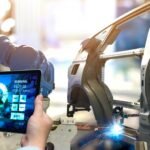
In manufacturing, companies use digital twins to monitor production lines and improve efficiency. Engineers can identify bottlenecks and test improvements without interrupting operations.
In energy, digital twins help manage power plants and renewable energy systems. They allow operators to predict performance and detect potential issues early.
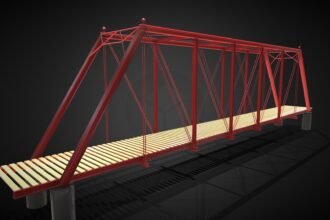
In construction and infrastructure, digital twins are used to model buildings, bridges, and entire urban systems. This helps engineers plan maintenance and ensure long-term reliability.
In aerospace, digital twins simulate aircraft performance, improving safety and reducing maintenance costs.
These applications show how versatile and impactful this technology can be.
Benefits of Using Digital Twins
The use of digital twins provides several important advantages.
One of the main benefits is improved decision-making. Engineers can test different scenarios and choose the best solution based on data.
Another advantage is risk reduction. Simulations allow companies to identify potential problems before they occur in the real system.
Cost savings are also significant. By optimizing processes and reducing failures, companies avoid unnecessary expenses.
Digital twins also enhance performance. Systems can be continuously monitored and adjusted to operate more efficiently.
(You will be redirected to another page)
In addition, these systems encourage innovation by enabling experimentation without physical limitations.
Predictive Capabilities and Data Insights
One of the most valuable features of digital twins is their ability to support predictive analysis.
By combining historical and real-time data, these systems can anticipate future behavior.
For instance, a virtual representation of a machine can indicate when a component is likely to fail. This allows engineers to act before a breakdown occurs.
This proactive approach improves reliability and reduces downtime.
It also helps organizations plan operations more effectively, avoiding unexpected disruptions.
Real-World Examples Across Sectors
Digital twins are already being used by leading organizations worldwide.
In smart cities, virtual systems simulate traffic patterns, energy usage, and infrastructure performance. This helps improve urban planning and sustainability.
In automotive engineering, these models allow manufacturers to test vehicles under different conditions without building multiple prototypes.
In healthcare, digital simulations can represent medical equipment and support advanced analysis.
In logistics, companies use these tools to optimize supply chains and improve delivery performance.
These examples highlight the growing impact of this technology across industries.
Challenges and Implementation Considerations
Despite their advantages, digital twins also present challenges.
One of the main difficulties is managing large volumes of data from different sources.
Another challenge is the need for advanced software and infrastructure to build accurate models.
Companies also require skilled professionals who understand both engineering systems and digital technologies.
Data security and privacy are additional concerns, especially when dealing with sensitive information.
However, as technology evolves, these challenges are becoming more manageable.
Skills Needed to Work with Digital Twins
Professionals working with digital twins need a mix of technical and analytical skills.
A strong understanding of physical systems is essential. Engineers must know how machines and processes operate.
Data analysis skills are equally important, as these systems rely heavily on interpreting complex datasets.
Knowledge of simulation tools and programming can provide an advantage.
Understanding automation and system integration is also valuable.
Communication skills are important, since projects often involve collaboration between multiple teams.
How to Start a Career in This Field
A career in this area typically begins with a background in engineering, such as mechanical, electrical, or industrial engineering.
Learning about data analytics, system modeling, and simulation tools is highly beneficial.
Certifications in digital technologies can help strengthen your profile.
Practical experience is crucial. Working on real-world projects helps develop essential skills.
As industries continue to adopt digital solutions, the demand for professionals in this field is growing rapidly.
The Future of Digital Twins in Engineering
The future of digital twins is highly promising.
As technologies like artificial intelligence and the Internet of Things continue to advance, these systems will become even more powerful.
They will be able to simulate more complex environments, provide more accurate predictions, and support automated operations.
In the future, entire systems—such as cities or global supply chains—may be managed using digital models.
This will transform how engineers design, operate, and improve systems.
Final Thoughts
Digital twins are reshaping modern engineering by connecting physical systems with intelligent digital environments.
They allow engineers to monitor, simulate, and optimize operations with greater precision and efficiency.
By reducing risks, improving performance, and enabling smarter decisions, this technology provides a strong competitive advantage.
In a world where systems are becoming more complex, the ability to analyze and improve them digitally is more valuable than ever.
For engineers and professionals, this field offers exciting opportunities to work at the intersection of technology and real-world applications.
Sometimes, the best way to improve reality is to first perfect it in a virtual environment — and that is exactly what digital twins make possible.
 Keep an eye on this