Every time you connect to the internet, you expose a part of your life. Your photos, bank accounts, passwords, emails, social media conversations, work documents, and even your physical location are stored digitally. While technology makes life faster and more convenient, it also creates new risks. Hackers, scammers, and malicious software are constantly looking for ways to steal information or exploit vulnerabilities.
That’s where cybersecurity comes in.
Cybersecurity is no longer something only big companies or IT professionals need to worry about. Today, everyone who uses a smartphone, computer, or the internet needs basic protection. Whether you’re shopping online, using social media, or working remotely, your personal data is valuable. And if it falls into the wrong hands, the consequences can be serious — financial loss, identity theft, privacy invasion, or even blackmail.
(You will be redirected to another page)
In this beginner-friendly guide, you’ll learn what cybersecurity really means, why it matters more than ever, the most common online threats, and practical steps you can take today to protect your data, devices, and online identity.
What Is Cybersecurity?
Cybersecurity is the practice of protecting digital systems, networks, devices, and data from unauthorized access, attacks, or damage. In simple terms, it’s everything we do to keep our digital lives safe.
It includes tools, technologies, and habits that help prevent cybercriminals from stealing information or disrupting services. This can involve antivirus software, firewalls, strong passwords, encryption, and safe online behavior.
Think of cybersecurity like locking the doors of your house. You wouldn’t leave your front door open all day. In the same way, you shouldn’t leave your digital life unprotected.
There are different areas of cybersecurity, such as network security, application security, cloud security, and personal data protection. But for most everyday users, the focus is simple: protect your devices and your information.
Why Cybersecurity Matters More Than Ever
The world has become increasingly digital. We bank online, shop online, store files in the cloud, and communicate through apps. While this convenience is amazing, it also creates opportunities for cybercrime.
Hackers no longer need to physically steal anything. They can attack from anywhere in the world with just a laptop.
Cybercrime is growing every year. Millions of accounts are hacked daily. Data breaches expose passwords, emails, and personal information. Ransomware attacks can lock your files and demand payment. Scams target people through fake emails and messages.
For individuals, a single attack can mean:
Lost money from bank or credit card fraud
Stolen social media accounts
Leaked private photos or messages
Identity theft
Stress and wasted time recovering accounts
For businesses, the damage can be even worse, including financial losses and legal problems.
That’s why cybersecurity isn’t optional anymore. It’s essential.
(You will be redirected to another page)
Common Cyber Threats You Should Know
Understanding the risks is the first step to staying safe. Here are the most common threats beginners should recognize.
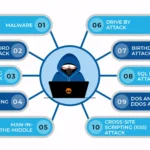
Phishing is one of the most popular attacks. It happens when scammers send fake emails or messages pretending to be trusted companies. They try to trick you into clicking malicious links or entering your passwords. These messages often look very real.
Malware is malicious software that infects your device. It can steal data, spy on you, or damage your system. Examples include viruses, trojans, and spyware.
Ransomware is a type of malware that locks your files and demands money to unlock them. Many people lose years of photos and documents because they didn’t have backups.
Password attacks happen when hackers guess weak passwords or reuse passwords from leaked databases. If you use the same password everywhere, one breach can expose all your accounts.
Public Wi-Fi risks are also common. Open networks in cafés or airports can allow attackers to intercept your data if it’s not encrypted.
These threats sound scary, but the good news is that most attacks can be prevented with simple precautions.
How Cybersecurity Protects Your Data and Devices
Cybersecurity works by adding layers of protection. Each layer makes it harder for attackers to succeed.
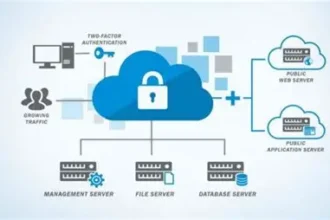
Antivirus software detects and removes harmful programs before they can cause damage. Firewalls block suspicious network traffic. Encryption protects sensitive data by turning it into unreadable code. Strong authentication methods make it harder for others to access your accounts.
But technology alone isn’t enough. Your behavior matters just as much.
For example, even the best security software can’t protect you if you voluntarily give your password to a fake website. That’s why awareness and education are key parts of cybersecurity.
Simple Steps to Protect Yourself Online
You don’t need to be a tech expert to stay safe. Small habits can dramatically improve your security.
Start by using strong and unique passwords for every account. Avoid simple passwords like “123456” or “password.” Use a mix of letters, numbers, and symbols. A password manager can help you create and store them safely.
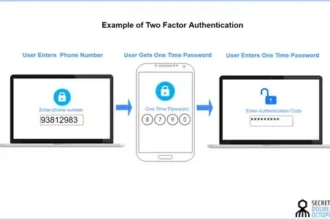
Enable two-factor authentication whenever possible. This adds a second layer of verification, such as a code sent to your phone. Even if someone steals your password, they still can’t log in.
Keep your devices updated. Software updates often fix security vulnerabilities. Ignoring updates leaves your system exposed.
Be careful with emails and links. If something looks suspicious, don’t click. Verify the sender first.
Install trusted antivirus software and scan your device regularly. This helps detect threats early.
Back up your important files. If ransomware or hardware failure happens, you won’t lose everything.
Avoid public Wi-Fi for sensitive activities like online banking. If you must use it, consider a VPN for extra privacy.
These steps may seem simple, but together they make a huge difference.
(You will be redirected to another page)
Protecting Your Online Identity
Your online identity includes everything about you on the internet — social media profiles, photos, emails, and personal data.
Protecting this identity is just as important as protecting your money.
Limit the information you share publicly. Hackers can use small details like your birthdate or pet’s name to guess passwords or security questions.
Review your privacy settings on social media. Make personal information visible only to people you trust.
Monitor your accounts for suspicious activity. Unexpected password resets or unknown logins can be warning signs.
The less information criminals have, the harder it is for them to target you.
Cybersecurity as a Life Skill
In the past, cybersecurity was considered a technical subject. Today, it’s a life skill.
Just like learning how to drive safely or manage your finances, learning basic digital security is part of modern life. The internet isn’t going away, and cyber threats will continue to evolve.
By understanding how attacks work and practicing safe habits, you gain control over your digital world.
You don’t need to live in fear. You just need to be prepared.
Final Thoughts
Cybersecurity is about protecting what matters most — your money, your privacy, your memories, and your identity. In a connected world, every click counts, and every device needs protection.
The good news is that you don’t need advanced knowledge to stay safe. Strong passwords, two-factor authentication, updates, backups, and cautious behavior already put you ahead of most users.
Start small. Improve one habit at a time. Install security tools, review your settings, and stay informed.
Because in today’s digital age, cybersecurity isn’t just for experts — it’s for everyone. And the sooner you take it seriously, the safer your online life will be.
 Keep an eye on this