Every day, millions of people receive emails, messages, and notifications that look completely legitimate. A bank alert, a delivery update, a social media warning, or even a job offer — everything may appear normal at first glance. However, many of these messages are actually part of phishing cybersecurity attacks designed to steal sensitive information.
Phishing cybersecurity is one of the most common and effective methods used by cybercriminals today. Instead of breaking into systems using complex code, attackers focus on manipulating people. By creating a sense of urgency, fear, or curiosity, they convince users to click links, download files, or share personal data.
(You will be redirected to another page)
Understanding how phishing cybersecurity works is essential for anyone who uses the internet. Whether you are a student, professional, or business owner, knowing how to identify these attacks can prevent serious problems such as identity theft, financial loss, and data breaches.
What Is Phishing in Cybersecurity
Phishing is a type of cybersecurity attack where criminals pretend to be a trusted entity to trick individuals into revealing sensitive information. This information may include passwords, credit card numbers, personal identification data, or login credentials.
Unlike traditional hacking, phishing cybersecurity attacks do not rely on technical vulnerabilities. Instead, they exploit human behavior. Attackers design messages that look real, using logos, branding, and language similar to legitimate companies.
For example, a phishing email may appear to come from a bank, asking you to verify your account due to suspicious activity. The message often includes a link that directs you to a fake website, where any information entered is captured by the attacker.
Because these messages look authentic, many users fall for them without realizing the risk.
(You will be redirected to another page)
How Phishing Attacks Work
Phishing cybersecurity attacks usually follow a structured process. First, attackers choose a target. This could be a large group of users or specific individuals in a company.
Next, they create a fake message designed to trigger an emotional response. This might include urgency, such as “Your account will be blocked,” or curiosity, such as “You received a payment.”
The message typically contains a link or attachment. When the user clicks the link, they are taken to a fake website that looks nearly identical to a real one. If they download an attachment, malware may be installed on their device.
Once the victim enters their information or interacts with the malicious content, the attacker gains access to valuable data.
Phishing cybersecurity attacks are effective because they rely on trust. People are more likely to respond quickly when they believe the message is legitimate.
Common Types of Phishing Cybersecurity Attacks
There are several variations of phishing, each targeting users in different ways.
Email phishing is the most common type. Attackers send large numbers of emails pretending to be companies or services.
Spear phishing is more targeted. Instead of sending messages to many people, attackers focus on specific individuals, often using personal information to make the message more convincing.
Smishing involves phishing through SMS messages. Users receive text messages with malicious links.
Vishing uses phone calls, where attackers impersonate customer support or financial institutions to collect information.
Each type of phishing cybersecurity attack uses different channels, but the goal is always the same: to trick the user into giving away sensitive data.
Why Phishing Cybersecurity Attacks Are So Effective
Phishing attacks continue to succeed because they take advantage of human psychology. People tend to trust familiar brands, react quickly to urgent messages, and overlook small details when under pressure.
Attackers carefully design messages to look realistic. They may copy logos, email formats, and even writing styles from legitimate companies.
Another factor is the increasing volume of digital communication. With so many emails and messages received daily, users often do not verify each one carefully.
Phishing cybersecurity attacks also evolve constantly. As users become more aware, attackers develop new techniques to bypass detection.
This combination of psychological manipulation and adaptability makes phishing one of the most persistent cybersecurity threats.
(You will be redirected to another page)
How to Identify Phishing Attempts
Recognizing phishing is one of the most important cybersecurity skills today. While attacks are becoming more sophisticated, there are still warning signs.
Suspicious email addresses are a common indicator. Even if the name looks correct, the domain may contain small changes.
Generic greetings such as “Dear user” instead of your name can also be a red flag.
Links that do not match the official website are another warning. Hovering over a link often reveals the real destination.
Spelling errors, unusual formatting, or unexpected attachments should also raise suspicion.
Phishing cybersecurity messages often create urgency, pressuring you to act quickly without thinking.
Being aware of these signs can help you avoid falling victim to attacks.
How to Protect Yourself from Phishing
Protecting yourself from phishing cybersecurity attacks requires a combination of awareness and good digital habits.
Always verify the source of a message before clicking any links. If you receive a suspicious email from a bank or service, access the official website directly instead of using the provided link.
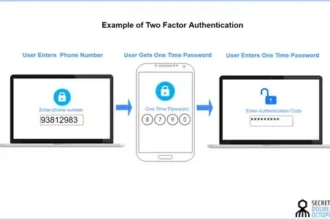
Enable two-factor authentication whenever possible. This adds an extra layer of security, making it harder for attackers to access your accounts.
Avoid downloading attachments from unknown or unexpected sources. These files may contain malware.
Keep your software and devices updated. Security updates often include protections against known threats.
Education is one of the most effective defenses. The more you understand phishing cybersecurity tactics, the less likely you are to be deceived.
The Impact of Phishing on Individuals and Businesses
Phishing attacks can have serious consequences. For individuals, they may result in financial loss, identity theft, or unauthorized access to personal accounts.
For businesses, the impact can be even greater. A single successful phishing attack can compromise entire systems, expose sensitive data, and damage reputation.
Organizations may face financial penalties, legal issues, and loss of customer trust.
Because of these risks, companies invest heavily in cybersecurity training and awareness programs.
Phishing cybersecurity is not just a technical issue — it is a human issue that affects everyone.
The Future of Phishing Cybersecurity
As technology continues to evolve, phishing attacks are becoming more advanced. Artificial intelligence is being used to create more realistic messages, making detection harder.
Deepfake technology may also be used in phishing, allowing attackers to mimic voices or videos.
At the same time, cybersecurity defenses are improving. Advanced filtering systems, machine learning, and user education are helping reduce risks.
However, the human element will always remain a key factor. As long as attackers can manipulate behavior, phishing will continue to exist.
Staying informed and cautious is essential in this constantly changing environment.
Final Thoughts
Phishing cybersecurity is one of the most widespread threats in the digital world. Its effectiveness comes from its simplicity — instead of attacking systems directly, it targets people.
By understanding how phishing works and learning to recognize warning signs, you can significantly reduce your risk.
Simple actions, such as verifying messages, avoiding suspicious links, and enabling security features, can make a big difference.
In a world where digital communication is constant, awareness is your strongest defense against phishing cybersecurity threats.
 Keep an eye on this